

Training Course Strengthens Monitoring of Toxic Substances along the 21st Century Maritime Silk Road
The international training course with the theme of “Monitoring and Risk Assessment of Persistent Toxic Substances along the 21st Century Maritime Silk Road” concluded in Guangzhou on December 4. Hosted by the Guangzhou Institute of Geochemistry of the Chinese Academy of Sciences (GIGCAS), the course brought together 25 participants from 12 countries, including India, Pakistan, Bangladesh, Sri Lanka, Kenya, Ghana, Thailand, Vietnam, Malaysia, Myanmar, Egypt, and Ethiopia.
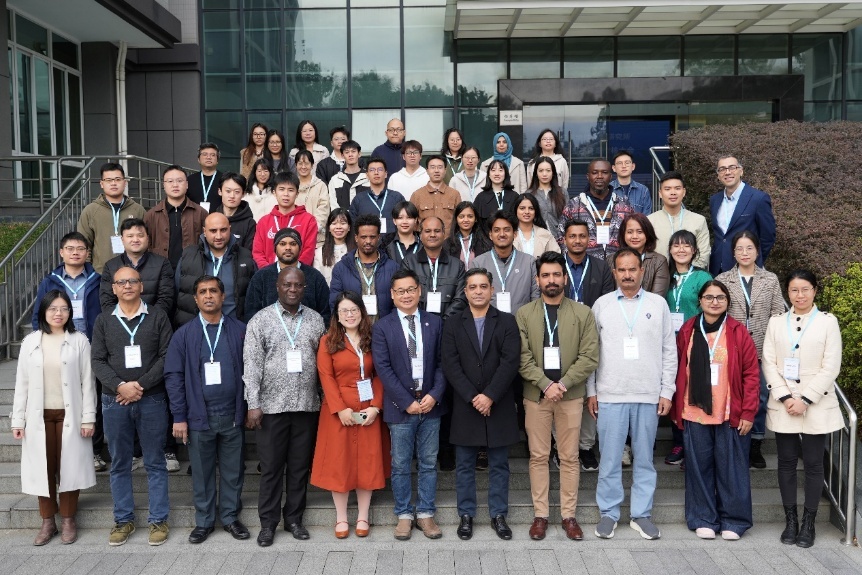
Group photo at the opening ceremony
Addressing the opening ceremony on November 20, Professor DONG Qi from the Bureau of International Cooperation, the Chinese Academy of Sciences (CAS) and GIGCAS’s Deputy Director ZHU Jianxi extended warm welcome to the participants. Professor ZHANG Gan at GIGCAS, the course's principal organizer, outlined the design and arrangement of the course, while his colleague Dr. ZHAO Shizhen served as the course coordinator.
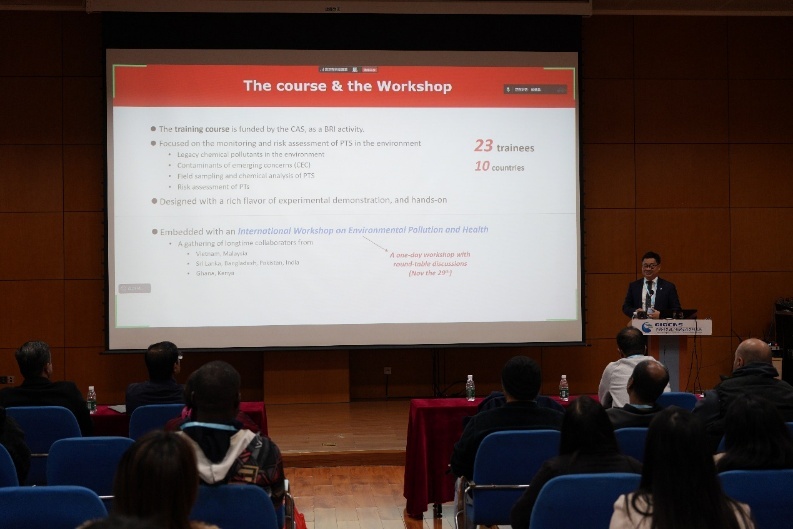
Professor ZHANG Gan introduces the overall design of the program.
Persistent organic pollutants and emerging contaminants have become a serious problem in underdeveloped, low-latitude regions, endangering local ecosystems and human health. With a focus on monitoring and risk assessment of persistent toxic substances, the course was delivered over two weeks through a combination of thematic lectures, laboratory visits, hands-on practice, and field excursions. The curriculum was structured around five core modules: chemical pollution, passive sampling technologies, sample pretreatment and instrumental analysis, risk assessment of contaminated sites, and global chemical governance and policy.
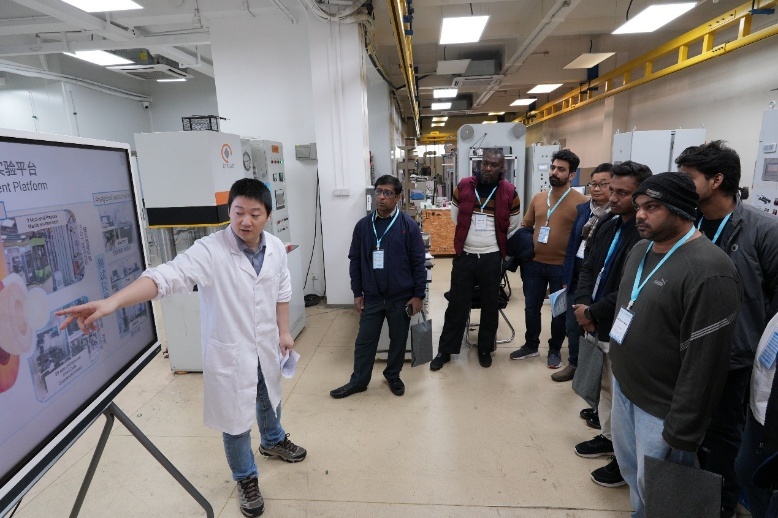
Participants visit research facilities at GIGCAS.
The course faculty featured over 20 renowned experts from China and abroad. International lecturers included senior officers from the United Nations Environment Programme (UNEP)—such as Dr. Kei Ohno Woodall from the Basel, Rotterdam and Stockholm Conventions Secretariat—as well as leading academics like Professor Richard Thompson from the University of Plymouth and Professor Kevin Jones from Lancaster University. They were joined by prominent Chinese scholars including Senior Engineer ZHONG Liuju from the Hong Kong University of Science and Technology (Guangzhou) and Professor YING Guangguo from the South China Normal University. Technical experts from instrument corporations like Agilent and Shimadzu provided training on advanced analytical techniques.
During field visits organized with support from the Guangdong Environmental Monitoring Center and the South China Botanical Garden, CAS, participants gained practical insights at premier research sites including the Guangdong Heshan Atmospheric Supersite, the Haizhu National Wetland Ecological Monitoring Station, and the Dinghushan National Nature Reserve.
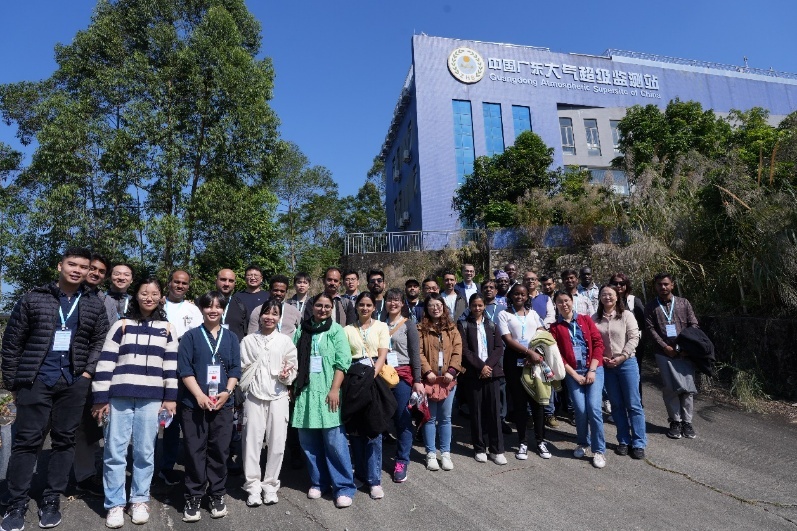
Participants visit the Guangdong Heshan Atmospheric Supersite.
A highlight of the course was the innovative Co-creation Experiment module. Participants brought drinking water samples from their home countries and, following a unified analytical protocol, together conducted analyses of trifluoroacetic acid (TFA). Within two days, the group produced a preliminary TFA distribution map for Belt and Road countries. Doctoral student Akriti Ashesh from India's Central University of South Bihar presented the collaborative findings at the final session.
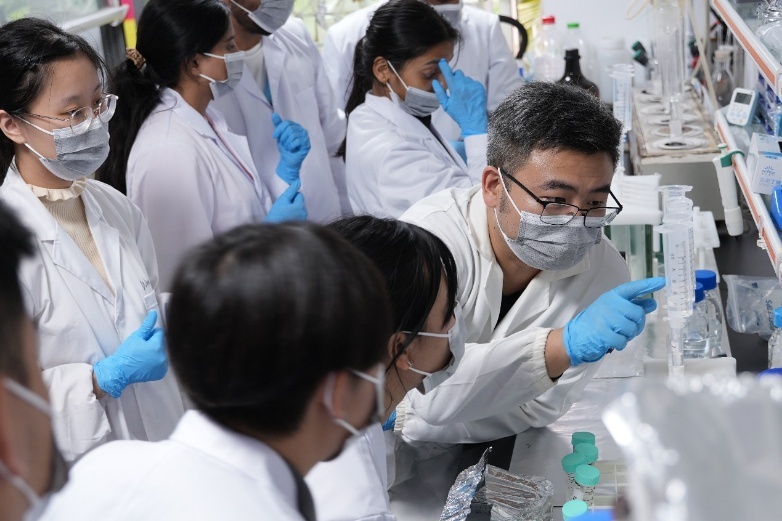
Participants conduct “Co-creation Experiment”.
At the closing ceremony, participants spoke highly of the content and organization of the course, with many expressing strong interest in future collaboration with GIGCAS.
The course was funded by CAS’s Science and Technology Training Program for Belt and Road and Developing Countries. Professor ZHANG Gan noted that by organizing courses like this, GIGCAS seeks to enhance partner institutions’ capabilities in environmental monitoring and pollution control, foster long-term cooperation mechanisms, and consolidate an international research network focused on environmental pollution and health across low-latitude countries and regions along the 21st Century Maritime Silk Road. The network is expected to support sustained global observation of key chemical pollutants and generate high-quality outcomes through international collaborative research.
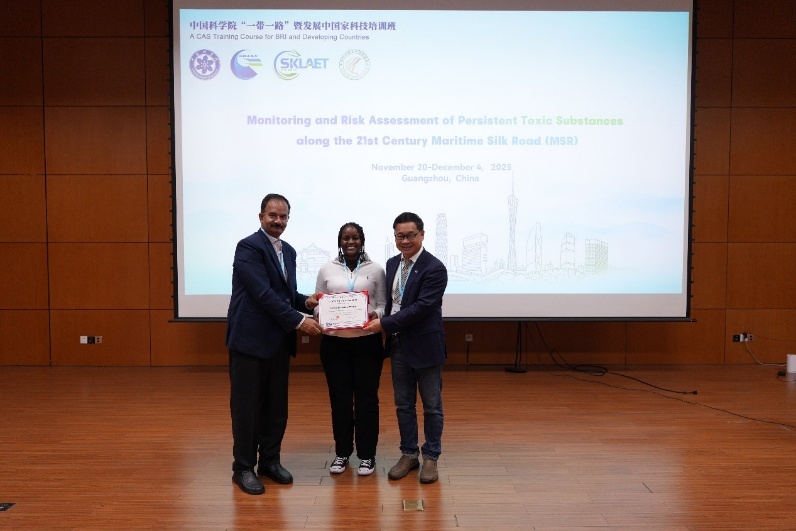
Presentation of certificates to participants
Attachment Download:
 86-20-85290281
 86-20-85290130
 intl@gig.ac.cn
 No. 511 Kehua Street, Tianhe District, Guangzhou, Guangdong, China (510640)